 Skip to content
From Durability to Style: What Eco-Friendly Fabrics Add to
For buyers sourcing branded Eco-friendly Activewear in bulk, the fabric choice does more than affect comfort. It shapes how the garment wears, how well it takes decoration, how your brand is perceived, and whether the item feels worth keeping after the first workout, event, or staff wear cycle. If you are ordering for a gym, wellness brand, charity run, corporate team, or retail giveaway, eco-friendly fabrics can turn activewear into a stronger long-term branding asset.
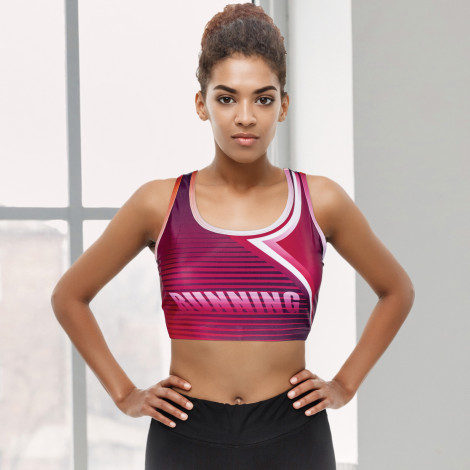
Two practical examples in the Apparel category are the Athletic Crop Top and Athletic Leggings. These styles are especially useful when you want coordinated sets for staff, fitness promotions, or premium merchandise that feels modern rather than purely functional.
Why eco-friendly fabrics matter for bulk branded orders
Eco-friendly fabrics are not just a sustainability statement. In bulk activewear orders, they can improve buyer confidence because they signal quality, responsibility, and a more considered brand identity. That matters when the garments are being worn publicly, photographed, or handed out at events where your logo needs to look polished.
- Brand perception: eco-conscious materials help position your business as modern and responsible.
- Wearability: softer, better-structured fabrics are more likely to be worn repeatedly.
- Merchandise value: recipients often keep activewear longer than low-value promo items.
- Event impact: matching branded sets create a more premium, cohesive look.
Materials: what to look for in eco-friendly activewear
When comparing fabrics, focus on performance first and sustainability second. The best branded Eco-friendly Activewear balances both. Buyers usually want a fabric that feels comfortable during movement, holds its shape, and supports clean branding methods such as embroidery, screen print, or heat transfer.
| Fabric type | Key strengths | Best for |
|---|---|---|
| Recycled polyester blends | Durable, lightweight, good shape retention | High-volume event wear and team kits |
| Organic cotton blends | Soft hand-feel, natural comfort, casual appeal | Lifestyle activewear and wellness branding |
| Performance eco-blends | Stretch, moisture management, active fit | Training apparel and premium merch |
If your audience will wear the garments during workouts, choose fabrics that recover well after stretching. If the item is more for lifestyle or promotional use, comfort and visual appeal may matter more than technical performance.
Branding methods that work best on activewear
Decoration choice is critical. Eco-friendly fabrics can look excellent, but the wrong branding method can reduce stretch, comfort, or durability. For bulk orders, the goal is to keep the logo sharp without compromising the garment’s performance.
- Embroidery: ideal for premium branding on thicker areas, but not always best for stretch-heavy zones.
- Screen printing: strong for bold logos and larger runs, especially on flatter surfaces.
- Heat transfer: useful for detailed artwork and smaller branding placements.
- Woven labels or trims: a subtle option when you want a more fashion-led finish.
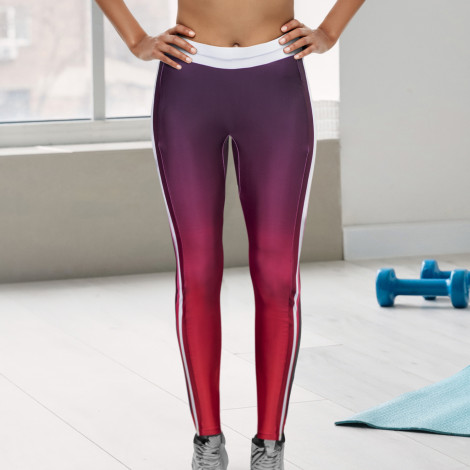
For fitted items like the Athletic Crop Top, keep branding placement simple and clean. For leggings, subtle placement often works better than oversized graphics, especially if the garments are intended for staff uniforms or premium giveaways.
Sustainability certifications: why buyers ask for them
Certifications help reduce uncertainty in bulk purchasing. If your organisation needs to support ESG goals, sustainability reporting, or a greener event message, certifications can make the buying decision easier and more defensible.
- Traceability: helps show where materials came from.
- Credibility: supports claims made in marketing or internal reporting.
- Buyer trust: reassures recipients that the eco message is genuine.
When comparing options, ask us which fabrics or decoration methods best support your sustainability goals. That is especially useful if you need a consistent look across multiple sizes or a mixed order of tops and bottoms.
Comparison: which eco-friendly activewear option fits your brief?
| Option | Features | Best for |
|---|---|---|
| Athletic Crop Top | Fashion-led fit, strong visual appeal, easy to brand for events | Fitness promotions, women’s wellness campaigns, retail-style giveaways |
| Athletic Leggings | High comfort, movement-friendly, premium feel for coordinated sets | Gym teams, staff uniforms, premium branded merchandise |
If you need a more style-driven campaign, the crop top can create a trend-led look. If you want a practical, high-retention garment, leggings often deliver stronger everyday value. Many buyers combine both for a complete branded set.
Real-world use cases for branded Eco-friendly Activewear
Different buyers use eco-friendly activewear in different ways, and the best fabric choice depends on the job the garment needs to do.
- Fitness studios: staff uniforms that look polished and support movement.
- Corporate wellness programmes: branded apparel that encourages participation and visibility.
- Event activations: coordinated outfits for ambassadors, instructors, or volunteers.
- Retail or resale: premium-feel merchandise that customers are happy to wear again.
For a campaign that needs both style and practicality, eco-friendly fabrics help the garment feel less like a disposable promo item and more like a piece of wearable brand merchandise.
Buyer recommendations: how to choose the right fabric and finish
If your priority is durability, choose a performance-led eco blend with good stretch recovery. If your priority is brand image, choose a fabric with a smoother finish that supports crisp decoration. If your priority is sustainability messaging, look for clear certification details and ask us about the most suitable branding method for the material.
- Choose durability when the garments will be worn repeatedly by staff or ambassadors.
- Choose style when the item is part of a premium giveaway or retail-style campaign.
- Choose certification support when sustainability claims matter to your audience.
In short, branded Eco-friendly Activewear works best when the fabric, fit, and decoration method are planned together rather than treated as separate decisions.
FAQs
1. Why does eco-friendly fabric matter in branded activewear?
It helps your merchandise feel more premium, supports a responsible brand image, and often improves the chance that recipients will actually wear the item again.
2. Which fabric type is best for high-use activewear orders?
Recycled polyester blends and performance eco-blends are usually the strongest choices for repeated wear because they tend to hold shape and handle movement well.
3. What branding method works best on eco-friendly activewear?
Screen printing, heat transfer, and embroidery can all work well, but the best option depends on the fabric, logo detail, and where the branding will sit on the garment.
4. When is it worth paying extra for certified sustainable fabrics?
It is worth it when sustainability is part of your campaign message, your organisation has ESG goals, or the garments will be used in a visible public-facing setting.
Summary
Eco-friendly fabrics add more than a sustainability story to branded Eco-friendly Activewear. They can improve comfort, extend wear life, support better branding, and make your bulk order feel more valuable to the people receiving it. For buyers comparing the Athletic Crop Top and Athletic Leggings, the best choice comes down to how the garments will be used, how you want the brand to look, and how important sustainability credentials are to your campaign.